
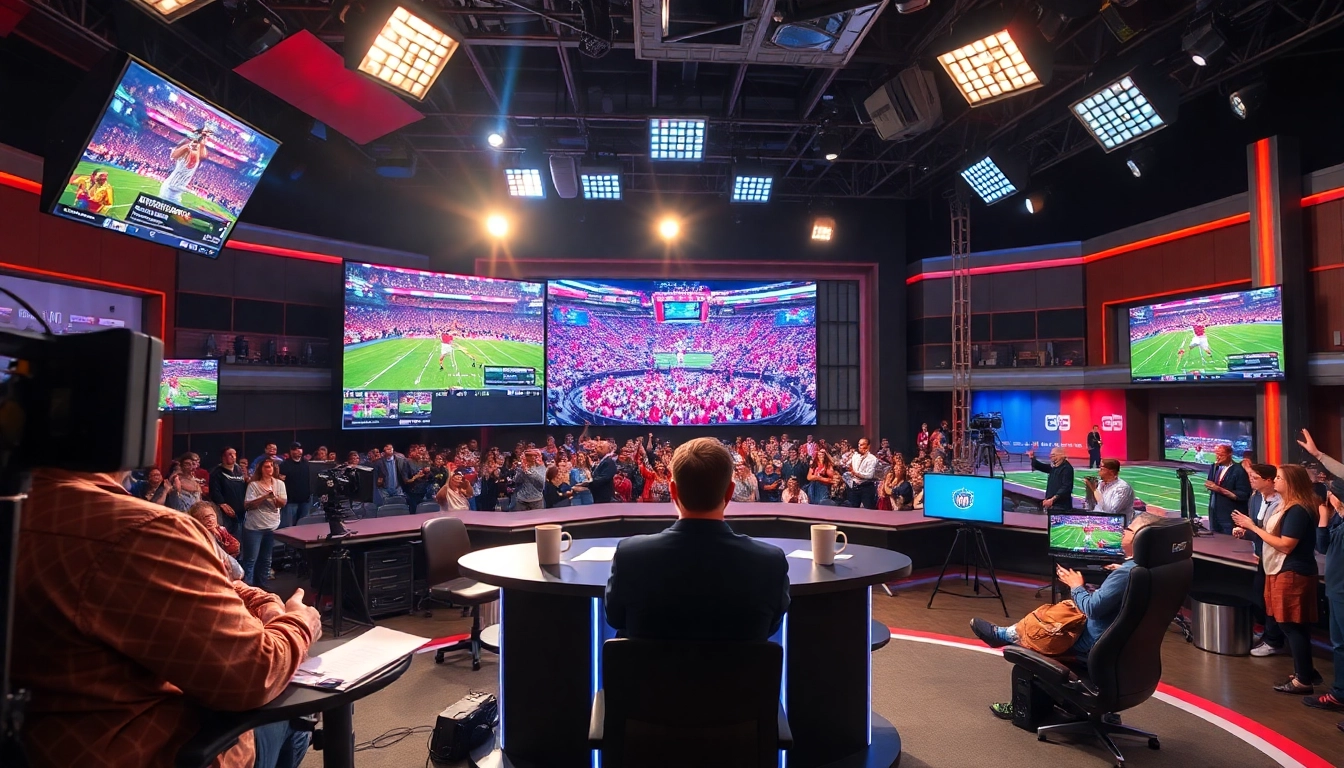
Understanding Sports Broadcasting Today
Sports broadcasting has evolved into a multifaceted industry that adapts to technological advancements and changing viewer demands. At its core, Sports Broadcasting involves the transmission of sports events and related content through various media channels, such as television, radio, and online platforms. With the rise of digital technology, traditional broadcasting methods have had to integrate innovative practices to remain relevant and engaging.
The Role of Technology in Sports Broadcasting
Technology is the backbone of modern sports broadcasting. The integration of high-definition cameras, drones for aerial views, and sophisticated graphics systems has enhanced how events are presented to audiences. The emergence of technologies like 5G is enabling broadcasters to deliver live content with minimal latency, thus improving the viewing experience. Additionally, technologies like cloud computing facilitate the storage and management of vast amounts of data, enabling personalized content delivery.
Key Stakeholders in the Industry
The sports broadcasting ecosystem is populated by various stakeholders, including networks, sports leagues, teams, sponsors, and advertisers. Each player has a distinctive role that contributes to the industry’s dynamics. Networks negotiate broadcasting rights with leagues, teams partner with sponsors, and advertisers strive to connect their brands with passionate fan bases. Collaboration amongst these stakeholders is crucial in creating compelling content that captivates audiences.
Challenges Facing Sports Broadcasting
Sports broadcasting faces multiple challenges, such as maintaining viewer engagement in a crowded market, managing broadcasting rights disputes, and navigating technological changes. Competition from streaming platforms has forced traditional broadcasters to rethink their strategies. Additionally, issues surrounding unauthorized streaming and piracy continue to complicate the landscape. To remain competitive, sports broadcasters must adopt innovative measures and continuously analyze industry trends.
Technological Advancements Impacting Sports Broadcasting
Streaming Services vs. Traditional TV
The rise of streaming services has fundamentally shifted the paradigm of sports broadcasting. Services like ESPN+, DAZN, and Amazon Prime Video have gained traction among viewers seeking flexibility and diverse content. As traditional TV ratings decline, networks are pressured to adapt to over-the-top (OTT) models that offer viewers on-demand access. This transition prompts networks to reconsider how they package their content, leading to unique subscription-based models that cater to fan preferences.
Virtual Reality and Augmented Reality in Broadcasting
Virtual reality (VR) and augmented reality (AR) technologies are transforming the viewer experience in sports broadcasting. VR allows fans to immerse themselves in a virtual stadium, enhancing the sense of presence during live broadcasts. AR provides real-time data visualization during games, giving viewers insights like player stats or tactical formations. Both technologies offer a novel way for fans to interact with content, pushing broadcasters to develop more engaging storytelling techniques.
The Rise of Mobile Broadcasting
With smartphones being ubiquitous, mobile broadcasting has gained immense popularity. Fans can follow their favorite teams and watch events on-the-go, leading to an increased demand for mobile-friendly content. Mobile apps and responsive websites enable broadcasters to reach audiences wherever they are. As mobile technology advances, the quality of streaming improves, allowing fans to enjoy a seamless viewing experience even from their handheld devices.
Content Strategies for Successful Sports Broadcasting
Create Engaging Sports Commentary
Engaging commentary plays a pivotal role in sports broadcasting. Broadcasters must develop distinctive voices and styles that resonate with audiences. Utilizing storytelling techniques enhances the emotional connection with viewers, making the experience more enjoyable. Additionally, commentary should cater to both seasoned fans and casual viewers, balancing expertise with accessibility to educate audiences on the gameplay and context.
Using Social Media for Audience Engagement
Social media platforms serve as vital tools for audience engagement in sports broadcasting. Broadcasters can leverage social media to disseminate content, interact with fans, and cultivate a community around their brand. Live Tweeting during events, conducting Q&A sessions, and sharing behind-the-scenes content can enhance viewer involvement and loyalty. A responsive social media strategy helps broadcasters build a significant online presence and engage with fans directly.
Data Analytics for Targeted Broadcasting
Data analytics plays a crucial role in understanding audience preferences and behaviors. By analyzing viewership data, broadcasters can tailor their programming to meet the demands of their audience. This data-driven approach aids in creating targeted advertisements, refining content strategy, and improving overall viewer satisfaction. Implementing analytics tools can help broadcasters make informed decisions that enhance content relevance and effectiveness.
Best Practices in Sports Broadcasting Production
Ensuring High-Quality Production Standards
High production standards are essential for captivating sports broadcasts. Invest in state-of-the-art equipment, skilled personnel, and creative staging to enhance production quality. Quality should extend to audio, video, and graphics, ensuring viewers are fully immersed in the experience. Regular training and adopting the latest equipment and techniques will keep productions fresh and appealing.
Forming Strong Partnerships and Collaborations
Strategic partnerships are integral to sports broadcasting. Collaborations with sports leagues, digital platforms, and brands can provide additional value to audiences. By leveraging each other’s strengths, stakeholders can enhance content quality and broaden the reach. Co-producing exclusive events or co-marketing campaigns can also create unique experiences that resonate with fans.
Live Broadcasting vs. Pre-recorded Content
The debate between live broadcasting and pre-recorded content hinges on audience preference and content type. Live broadcasts foster immediate engagement and excitement, drawing in real-time viewer participation. Alternatively, pre-recorded segments allow for editing and refinement, which can enhance storytelling. Balancing both methods can yield a robust content strategy that caters to varying audience preferences.
Future Trends and Predictions in Sports Broadcasting
Impact of AI and Automation on Broadcasting
Artificial Intelligence (AI) is set to revolutionize sports broadcasting by enabling automated content creation, personalized viewing experiences, and enhanced data analysis. AI can streamline editing processes, generate commentary, and even tailor advertisements to viewer preferences, significantly improving efficiency. The application of AI technology appears poised to shape the future of broadcasting, allowing for smarter content delivery and engagement strategies.
Viewer Preferences and Changing Demographics
As demographics shift, understanding viewer preferences becomes paramount for sports broadcasters. Younger audiences are gravitating towards mobile and on-demand content, while older viewers may prefer traditional viewing methods. It’s essential for broadcasters to adapt their strategies to cater to these diverse audiences. This could include localized content, targeting niche markets, or experimenting with new formats for storytelling.
The Evolving Landscape of Sports Broadcasting Rights
The landscape of broadcasting rights is undergoing significant changes. As sports leagues seek to maximize revenue, exclusive rights deals are becoming commonplace, often leading to fragmentation of content. This change poses a challenge for viewers, who may struggle to access their favorite events without multiple subscriptions. Broadcasters must find innovative ways to package content and provide a seamless viewing experience despite these challenges.
Frequently Asked Questions
What is sports broadcasting?
Sports broadcasting involves transmitting live sports events and related content through television, radio, or online platforms to entertain and inform viewers.
How has technology changed sports broadcasting?
Technology has revolutionized sports broadcasting by enhancing production quality, enabling live streaming, and allowing for data analytics to cater to audience preferences.
What are the challenges faced by sports broadcasters?
Challenges include viewer engagement, competition from streaming platforms, managing broadcasting rights, and adapting to rapid technological advances.
What role do data analytics play in sports broadcasting?
Data analytics helps sports broadcasters understand audience preferences, tailor programming, and create targeted advertisements to enhance viewer satisfaction.
How can social media enhance sports broadcasting?
Social media enhances sports broadcasting by facilitating audience engagement, providing real-time updates, and fostering a community around teams and events.